
The Ultimate Guide to Starting Your James Bond Journey: Which Films Actually Matter
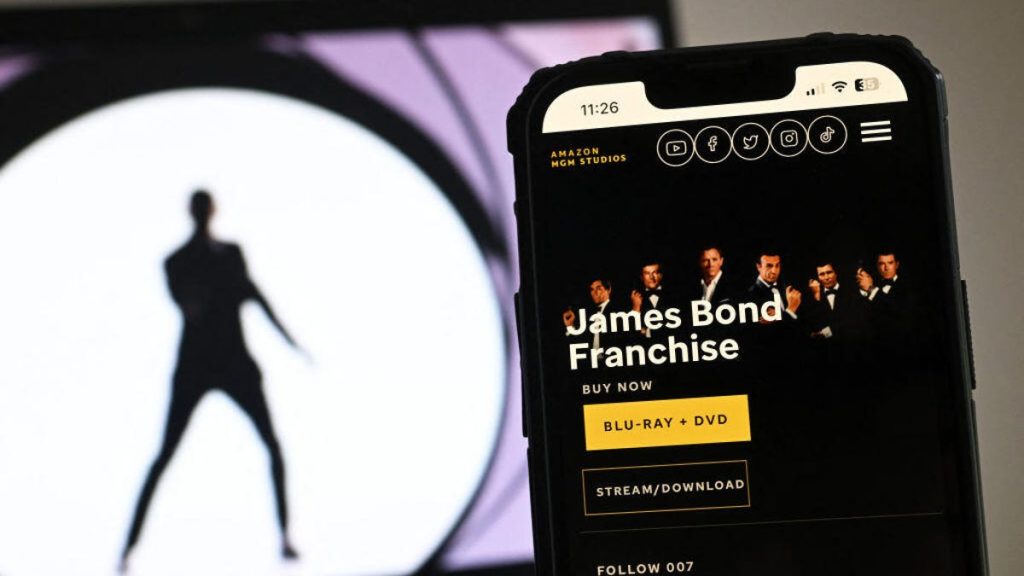
If you’re diving into the James Bond universe for the first time, you’re facing a daunting choice: 25+ films spanning six decades with six different leading men. Here’s the truth—most casual viewers don’t need to watch them all, and frankly, many aren’t worth your time. As someone who’s been analyzing spy cinema for years, I’ll cut through the noise and tell you exactly where to start and what to skip.
Begin with Casino Royale (2006) – It’s Non-Negotiable
Daniel Craig’s debut as Bond isn’t just a great starting point—it’s essential viewing for anyone serious about understanding modern action cinema. This film completely reinvented a franchise that had become a parody of itself, stripping away the campy gadgets and cringe-worthy one-liners that had defined the series for decades.
What makes Casino Royale brilliant is how it grounds Bond in reality while maintaining the sophistication that made the character iconic. Craig brings a brutality and emotional depth that his predecessors never achieved. This isn’t the smooth-talking gentleman spy—this is a damaged operative who earns his kills through sheer violence and determination.
The film works because it takes Ian Fleming’s original novel seriously, something previous adaptations rarely bothered to do. For modern audiences raised on Jason Bourne and Mission: Impossible, this grounded approach feels fresh rather than dated. The poker scenes have genuine tension, the romance feels authentic, and when Bond gets tortured, you actually believe he’s in danger.
This is perfect for newcomers because you don’t need decades of franchise knowledge to appreciate what’s happening on screen. It’s also ideal for action fans who might find older Bond films too silly or outdated for their tastes.
The Connery Classics: From Russia With Love and Goldfinger
Sean Connery established the template, but here’s what most guides won’t tell you: his first film, Dr. No, is actually quite boring by today’s standards. Skip it and go straight to From Russia With Love (1963) and Goldfinger (1964).
From Russia With Love represents Bond at his most realistic—no world-ending plots or ridiculous gadgets, just solid espionage storytelling. This appeals to viewers who prefer character-driven narratives over spectacle. The train fight sequence remains one of cinema’s best action scenes, and the film’s Cold War paranoia feels surprisingly contemporary.
Goldfinger, on the other hand, established the formula that every subsequent Bond film would follow: megalomaniacal villain, outrageous scheme, memorable henchman, and iconic gadgets. If you want to understand why Bond became a cultural phenomenon, this is your answer. The laser scene alone has been referenced and parodied countless times.
These films work best for viewers who appreciate classic Hollywood filmmaking and can overlook the dated social attitudes of the 1960s. If you’re someone who gets distracted by old-fashioned cinematography or uncomfortable gender dynamics, you might want to stick with the Craig era.
The Other Bonds: Who to Watch and Who to Skip
Roger Moore dominated the 1970s and early 1980s with seven films that prioritized entertainment over realism. His Bond is essentially a cartoon character—charming but completely unbelievable. For Your Eyes Only (1981) is his most grounded effort, though even that requires significant suspension of disbelief.
Moore’s films are perfect for viewers who enjoy campy action and don’t mind plots that make absolutely no sense. If you’re looking for sophisticated storytelling, avoid his entire run. These movies work best as background entertainment or nostalgic viewing for those who grew up with them.
Pierce Brosnan’s four films from the 1990s attempted to modernize Bond while maintaining the Moore-era silliness. GoldenEye (1995) succeeds because it acknowledges the character’s Cold War obsolescence while updating him for contemporary audiences. The other three films are increasingly ridiculous and can be safely ignored unless you’re a completist.
Timothy Dalton made two films that took Bond seriously again, but they’re grim and joyless. George Lazenby’s single outing, On Her Majesty’s Secret Service (1969), is actually quite good—it’s the only film where Bond experiences genuine emotional consequences—but Lazenby’s wooden performance undermines the strong story.
What’s Coming Next and Why It Matters
The franchise is currently in transition, with Denis Villeneuve attached to direct the next installment. This is genuinely exciting news for several reasons. Villeneuve proved with his Dune films that he can handle beloved source material respectfully while making it accessible to modern audiences. His background in taut thrillers like Sicario suggests he understands how to balance character development with action.
The casting speculation has been endless, but industry insiders suggest they’re looking for a younger, unknown British actor. This makes sense—casting a major star would overshadow the character, while an unknown allows for a fresh interpretation without baggage from previous roles.
For casual viewers, this transition period is actually perfect for catching up. You can watch the essential films without feeling pressure to complete the entire catalog before the new movie arrives.
Who Should Watch What
If you’re an action movie fan who values realistic storytelling: stick to the Daniel Craig films and maybe From Russia With Love. You’ll appreciate the grounded approach and sophisticated filmmaking.
If you enjoy classic Hollywood entertainment and don’t mind dated elements: the early Connery films are essential viewing. They’re historically significant and genuinely entertaining when viewed in context.
If you prefer lighthearted adventure films: Roger Moore’s entries might work for you, though be prepared for significant cheese factor. These are best enjoyed with friends who appreciate camp.
If you’re a completist or film student: watch everything, but understand that many entries are more historically interesting than actually good. The franchise’s evolution reflects changing attitudes toward masculinity, technology, and international relations.
The bottom line: most people only need to watch 4-6 Bond films to understand the character and franchise. Don’t feel obligated to tackle all 25+ movies unless you’re genuinely enjoying the journey. Quality over quantity should be your guiding principle.