
The Hidden Impact of Bird Migration on Urban Communities
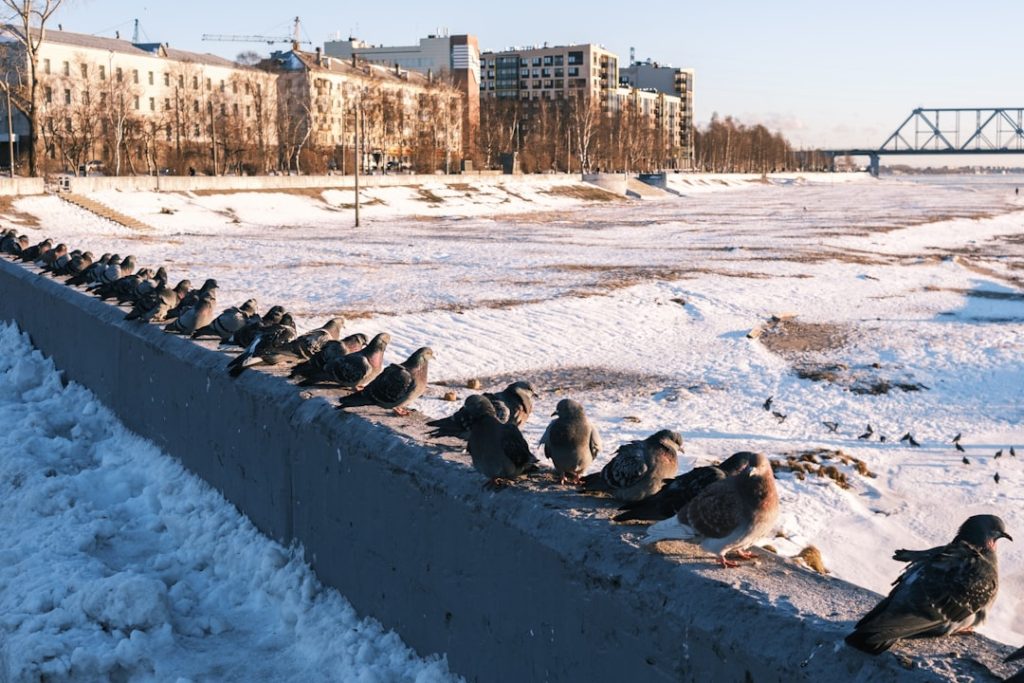
Urban bird migration patterns have become increasingly significant for city dwellers, though many residents remain unaware of the profound effects these seasonal movements have on their daily lives. As someone who has observed these patterns for years, I believe understanding avian migration cycles is crucial for anyone living in metropolitan areas.
The timing of bird migrations directly influences urban ecosystems in ways that most people simply don’t consider. When large flocks pass through cities during spring and fall seasons, they create ripple effects that extend far beyond what meets the eye. Parks and green spaces experience dramatic shifts in insect populations, which in turn affects local vegetation and air quality.

What strikes me most about this phenomenon is how it reveals the interconnectedness of urban and natural systems. City planners and environmental advocates would benefit enormously from tracking these migration patterns, as they provide valuable insights into climate change impacts and urban development consequences. However, the average commuter rushing to work probably won’t notice or care about these subtle environmental shifts.
From my perspective, property owners near major flyways should pay particular attention to these seasonal changes. The presence of migrating birds can temporarily alter local noise levels, affect outdoor dining establishments, and even influence real estate values in certain neighborhoods. Business owners in hospitality and outdoor recreation sectors would be wise to align their seasonal strategies with these natural cycles.

The economic implications are more substantial than most realize. Cities that embrace their role as migration waypoints often see increased eco-tourism revenue, while those that ignore these patterns miss opportunities for sustainable development. I think municipal governments are making a mistake when they fail to incorporate bird migration data into their urban planning processes.
For families with young children, these seasonal visitors present excellent educational opportunities that shouldn’t be overlooked. Teaching kids about migration patterns helps develop environmental awareness and scientific curiosity. However, pet owners need to exercise additional caution during peak migration periods, as the increased bird activity can trigger behavioral changes in cats and dogs.
What concerns me most is how rapidly changing urban landscapes are disrupting traditional migration routes. Glass buildings, light pollution, and reduced green spaces create hazardous conditions for these travelers. Cities that prioritize bird-friendly architecture and lighting ordinances demonstrate environmental leadership that benefits both wildlife and human residents.
Photo by Alexandr K on Unsplash
Photo by Muhammad Ahmad on Unsplash
Photo by Stepan Konev on Unsplash