
Tennis Fashion Revolution: When Athletic Wear Meets Victorian Elegance
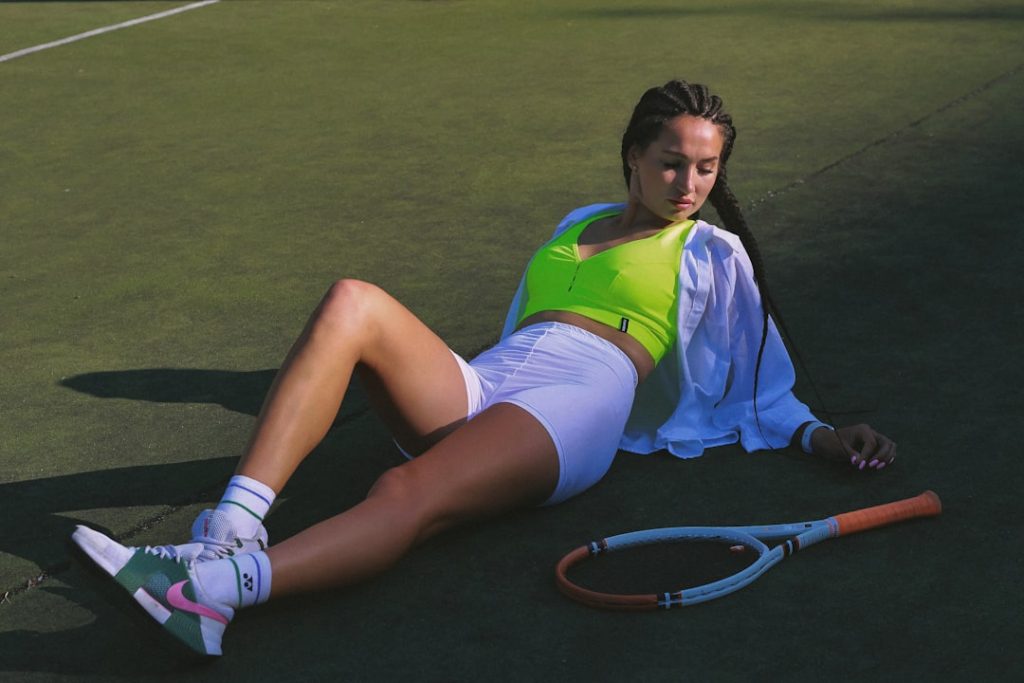
The intersection of high fashion and professional sports has reached new heights, and I believe we’re witnessing a transformative moment in athletic wear. The recent collaboration between Japanese tennis star and Swiss designer Kévin Germanier at the 2026 French Open demonstrates how sports fashion can transcend traditional boundaries while maintaining performance functionality.
What struck me most about this partnership is how it challenges our preconceptions about what athletic wear should look like. The athlete’s golden sequined ensemble, complete with a detachable tulle train, represents more than just a fashion statement—it’s a bold declaration that sports can be a platform for artistic expression. This approach will particularly resonate with younger athletes who refuse to separate their personal style from their professional performance.
Victorian Inspiration Meets Modern Athletics
The design philosophy behind these custom pieces draws heavily from 19th-century French painting, specifically Auguste Toulmouche’s “Le Billet” from 1883. I find this historical reference fascinating because it bridges centuries of fashion evolution, proving that elegance is timeless. The Victorian-era silhouettes, with their emphasis on dramatic volume and structured draping, translate surprisingly well to contemporary sportswear when executed thoughtfully.

However, I must note that this level of fashion-forward thinking isn’t for everyone. Traditional tennis purists might find such elaborate designs distracting or inappropriate for the sport’s conservative culture. The question becomes: should athletic performance take precedence over artistic expression, or can they coexist harmoniously?
Sustainability in Sports Fashion
What impresses me most about this collaboration is the commitment to sustainable practices. The second outfit was crafted entirely from leftover materials from the first design—a practice that should become standard in sports fashion. This approach benefits environmentally conscious athletes and fans who want to support brands that align with their values.
The rapid creation timeline—just six hours from concept to completion—demonstrates that sustainable fashion doesn’t have to compromise on creativity or speed. This efficiency model could revolutionize how custom athletic wear is produced, particularly benefiting athletes who need quick turnarounds for tournament appearances.

Who Benefits From This Trend
This fashion-forward approach to tennis attire will primarily benefit athletes who view their sport as a form of self-expression. Young, social media-savvy players who understand the marketing value of distinctive style will find this trend invaluable for building their personal brands. Sponsors and fashion houses also stand to gain significantly from these high-visibility collaborations.
Conversely, this trend may not suit athletes who prefer to let their game speak for itself, or those competing in more conservative tournament environments where such elaborate designs might be restricted. The practical considerations of movement and performance must always remain paramount, regardless of aesthetic ambitions.
I believe we’re entering an era where sports fashion will become increasingly theatrical and artistic. This evolution reflects broader cultural shifts toward individuality and self-expression in professional settings. The key will be maintaining the delicate balance between fashion innovation and athletic functionality—a challenge that will separate truly successful collaborations from mere publicity stunts.
Photo by Ksenia Gord on Unsplash
Photo by Gerardo Marrufo on Unsplash
Photo by The Australian National Maritime Museum on Unsplash