
Technology Sector Faces Critical Week as AI Infrastructure Momentum Builds
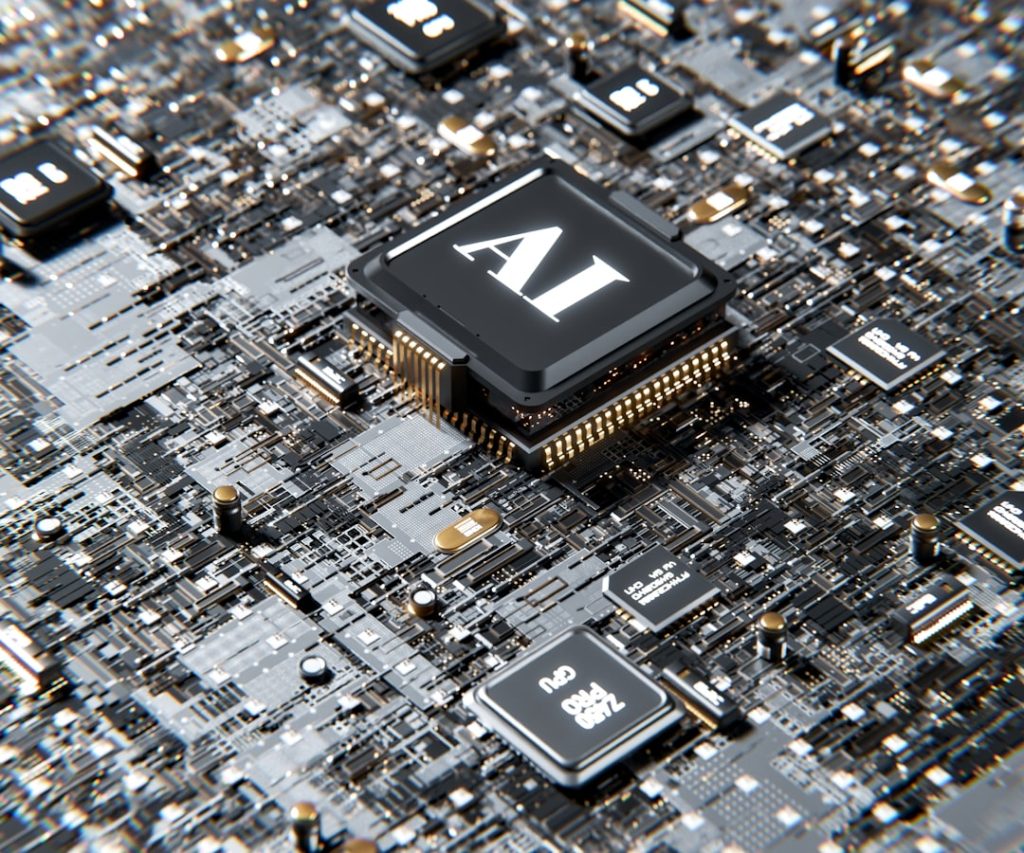
The technology sector is approaching what could be a defining week, with artificial intelligence infrastructure companies taking center stage after Dell Technologies delivered exceptional quarterly results that exceeded all expectations. This performance has reinvigorated investor confidence in the data center market, though I believe we’re still in the early innings of what could be a transformative period for enterprise computing.
What strikes me most about Dell’s remarkable quarter is how it demonstrates the fundamental shift happening in corporate IT spending. Companies are no longer just upgrading their systems—they’re completely reimagining their infrastructure to support AI workloads. This benefits established players like Dell who have the scale and relationships to capitalize on this transition, but it also creates challenges for smaller competitors who lack the resources to compete effectively.
The upcoming Computex conference in Taiwan represents a crucial inflection point for the industry. Historically, this event has served as a launching pad for major technology announcements, particularly in the PC and semiconductor space. I expect this year’s presentations to focus heavily on AI-enabled devices and next-generation processing capabilities. For investors, this conference could provide clarity on which companies are positioned to lead the next wave of innovation.

Key executives from major chip designers and technology firms will be presenting their roadmaps, which should give us insight into where the industry is heading over the next 12-18 months. In my view, companies that can articulate a clear AI strategy and demonstrate real-world applications will likely see their valuations rewarded, while those still struggling to define their role in this new landscape may continue to underperform.
The earnings calendar is packed with companies that could significantly impact market sentiment. Cybersecurity firms are particularly interesting right now, as the rise of AI has created new attack vectors that require sophisticated defense mechanisms. Organizations that can’t afford to compromise on security will likely increase their spending in this area, benefiting companies with proven track records and comprehensive solutions.
However, I’m more cautious about some retail and consumer-focused companies reporting this week. The economic environment remains challenging for discretionary spending, and companies targeting middle and lower-income consumers may face continued headwinds. Beauty and fashion retailers, in particular, seem vulnerable to shifts in consumer behavior as people prioritize essential purchases over luxury items.

The medical technology sector presents a mixed picture. While innovation continues at a rapid pace, regulatory hurdles and reimbursement challenges create uncertainty for device manufacturers. Investors should be selective here, focusing on companies with differentiated products and strong clinical data rather than betting on the sector broadly.
What really matters this week is the employment report, which could reshape Federal Reserve policy expectations. A labor market that’s cooling but not collapsing would be ideal for risk assets, as it would support the case for interest rate cuts without signaling economic distress. This macro backdrop is crucial for technology stocks, which remain sensitive to interest rate expectations despite their strong fundamentals.
For individual investors, this environment favors those who can identify companies with genuine competitive advantages rather than those simply riding the AI wave. The winners will be businesses that can demonstrate measurable improvements in productivity, efficiency, or customer outcomes through their technology investments. The losers will be companies that are all hype and no substance, or those that fail to adapt quickly enough to changing market dynamics.
Photo by Igor Omilaev on Unsplash
Photo by Steve A Johnson on Unsplash