
Revolutionary Off-Site Airport Terminal Opens: A Game-Changer for Aviation Industry
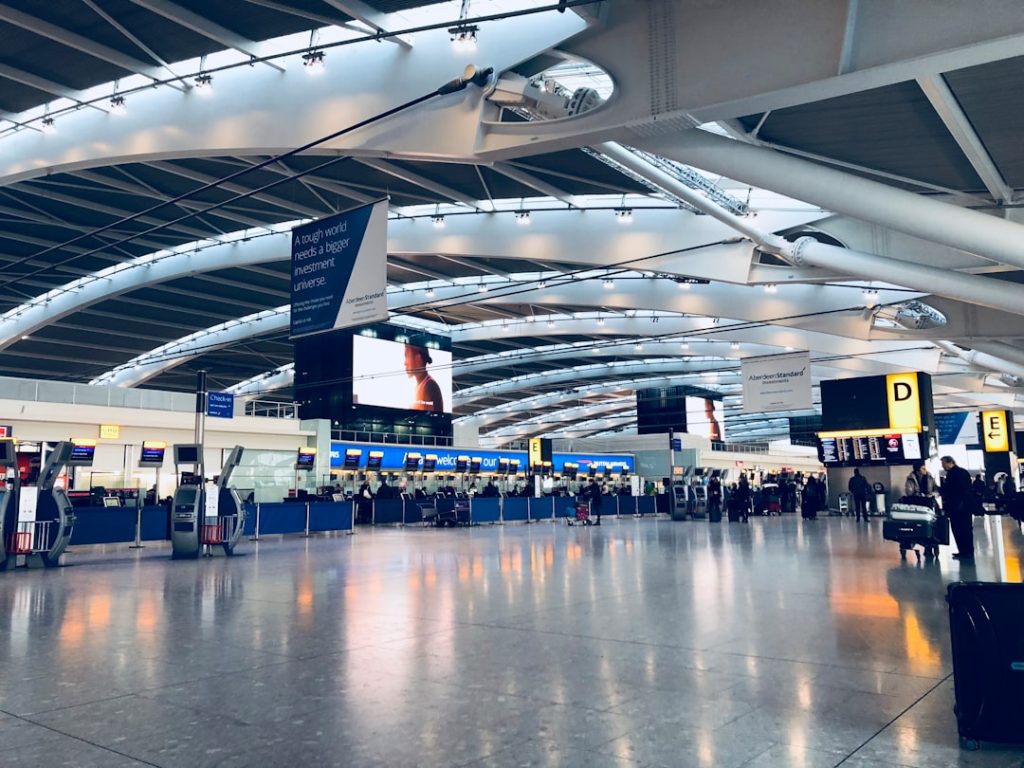
The aviation industry has just witnessed a groundbreaking innovation that I believe could fundamentally reshape how we approach air travel. A pioneering remote terminal facility has launched in Massachusetts, offering passengers the ability to complete their entire airport check-in process more than 20 miles away from the actual airport.
This isn’t just another transportation service – it’s a paradigm shift that I think addresses some of the most pressing issues facing modern aviation. The facility, located in Framingham, allows travelers flying with major carriers to check in, drop off luggage, and clear security screening before boarding a specialized bus that transports them directly to their departure gates.
How the Revolutionary System Works
What makes this concept truly innovative is its seamless integration of multiple transportation modes. Passengers arrive at the suburban facility, which operates much like a miniaturized airport terminal. They proceed through standard airline check-in procedures, pass through TSA security screening, and then board a secure bus for the journey to the main airport.
The service operates with hourly departures between 4 a.m. and 11 a.m., accommodating up to 55 passengers per trip. At just $9 per journey, with free transportation for minors, I find the pricing remarkably reasonable for such a comprehensive service. The facility also provides convenient parking at $7 daily – a fraction of typical airport parking costs.
I’m particularly impressed by the security protocols. The entire post-screening area maintains strict airside security standards, with the bus housed in an alarmed, secure enclosure. This ensures passengers never leave the sterile zone from screening until they reach their departure gate.

Who Benefits Most from This Innovation
In my opinion, this service is ideally suited for suburban travelers who typically face lengthy drives to major airports. Business travelers who value predictable timing will find significant advantages, as will families seeking to avoid airport congestion with children and luggage.
However, I don’t think this model works for everyone. Last-minute travelers won’t benefit, since bookings require advance planning up to 90 days ahead. International travelers with complex itineraries might find the limited schedule restrictive. Urban passengers already well-served by existing transit options may not see substantial value.
The Broader Industry Implications
What excites me most about this development is its potential to address critical aviation infrastructure challenges. Major airports worldwide struggle with capacity constraints and ground transportation bottlenecks. This distributed approach could significantly reduce pressure on central terminals while improving passenger experience.
The technology partnerships involved demonstrate how mobility companies are evolving beyond traditional boundaries. The same operator manages bus connections between existing airports, showing how integrated transportation networks are becoming reality rather than concept.
Operational Reality Check
While touring the facility revealed impressive attention to detail, I have concerns about scalability. The current building accommodates only the pilot program’s limited capacity. Real success will require substantial infrastructure investment for permanent, larger facilities.

The economic model also raises questions. Current pricing doesn’t reflect true operational costs, which are significantly higher than standard shuttle services. I suspect future pricing will need adjustment once the pilot phase concludes and full cost recovery becomes necessary.
Security integration presents another challenge. The facility currently uses standard metal detectors, though body scanners may be required for non-PreCheck passengers. Coordinating security protocols between remote locations and main airports adds operational complexity that could impact efficiency.
Future Outlook and Industry Impact
I believe this pilot program represents just the beginning of a significant industry transformation. Federal legislation already permits similar programs at other airports nationwide, suggesting broader adoption is likely if initial results prove successful.
The concept particularly appeals to airport authorities seeking innovative solutions to capacity constraints without massive terminal expansion projects. For airlines, distributed check-in could reduce airport operational costs while improving customer satisfaction.
However, success depends heavily on passenger adoption and operational reliability. The current 700+ advance reservations suggest strong initial interest, but sustained demand through various travel seasons remains unproven.
What I find most compelling is how this addresses fundamental travel pain points: parking difficulties, security delays, and departure logistics. For travelers in suburban markets, this could eliminate many traditional airport frustrations while providing a more relaxed, predictable travel experience.
The aviation industry has long needed innovative approaches to infrastructure challenges, and I see this remote terminal concept as exactly the kind of creative thinking that could reshape air travel for millions of passengers.
Photo by Belinda Fewings on Unsplash
Photo by Marco López on Unsplash
Photo by Daniel Lim on Unsplash