
Master Full-Body Fitness with This Expert’s Five-Step Kettlebell Method
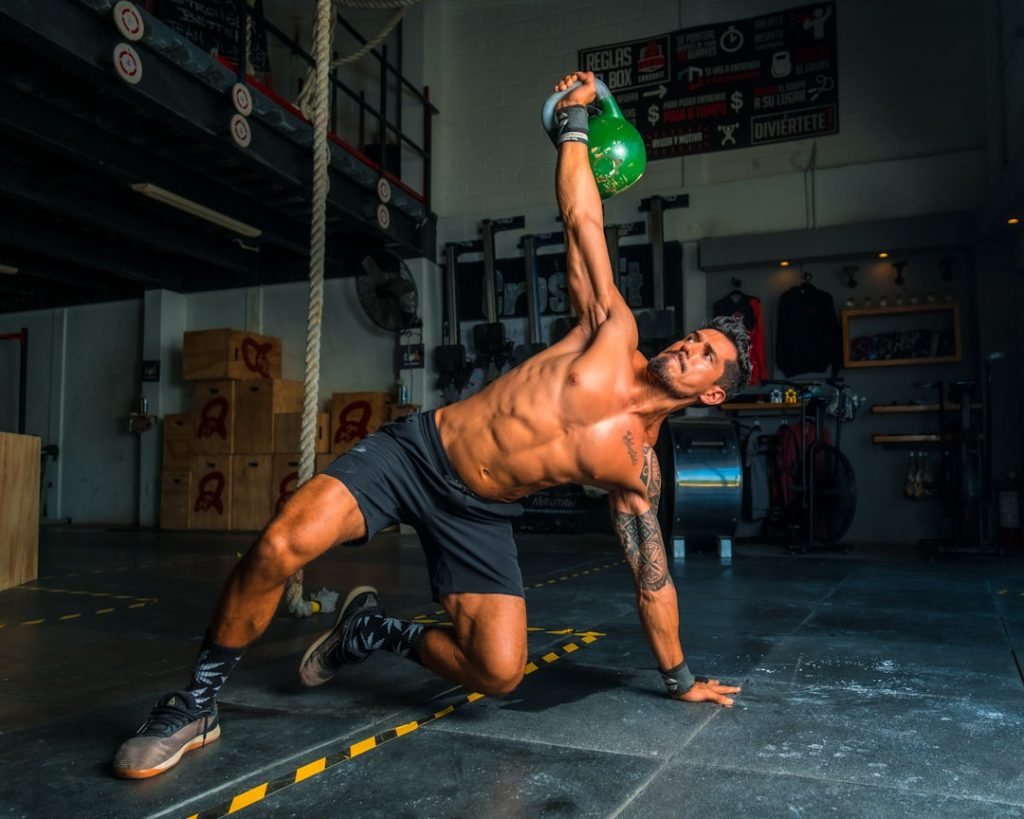
In my opinion, kettlebells represent one of the most underrated pieces of fitness equipment available today. While gym memberships drain your wallet monthly and fancy machines break down, a single kettlebell can transform your entire approach to fitness for decades. I’ve studied the methods of veteran coach Dan John, who has spent over four decades perfecting kettlebell training techniques, and I believe his five-step system offers the most practical path to building strength and muscle.
Why Kettlebells Beat Traditional Gym Equipment
What strikes me most about kettlebell training is its efficiency. This simple iron ball with a handle addresses every aspect of fitness simultaneously – strength, cardiovascular health, mobility, and muscle development. For busy professionals or anyone tired of crowded gyms, this approach makes perfect sense. However, I must emphasize that kettlebell training isn’t for everyone. Those seeking massive muscle gains might find traditional bodybuilding more suitable, and individuals with certain joint issues should consult physicians before starting.
The Foundation: Understanding Movement Patterns
John’s philosophy centers on targeting movement patterns rather than isolated muscles, which I find far more practical than traditional bodybuilding approaches. He identifies five essential human movements: pushing, pulling, hip hinging, squatting, and loaded carrying. This perspective benefits anyone wanting functional strength for daily activities, though it may disappoint those obsessed with developing specific muscle groups.
The beauty of this system lies in covering all five movements with just three fundamental exercises: kettlebell swings, goblet squats, and push-ups. I particularly appreciate this simplicity – beginners aren’t overwhelmed with dozens of exercises, while experienced athletes can master these movements to perfection.
Step One: Master the Fundamentals
The first phase focuses entirely on learning proper form for these three core exercises. I believe this step-by-step approach prevents the injuries that plague many fitness enthusiasts who rush into complex movements. The kettlebell swing alone provides an incredible workout, targeting your posterior chain while improving cardiovascular fitness. For those unable to perform dynamic swings initially, substituting kettlebell glute bridges offers a gentler introduction.

Step Two: Add Loaded Carries
The second step introduces loaded carries – simply picking up weight and walking with it. John claims these exercises offer the most bang for your buck, and I completely agree. Whether you’re carrying weight at your side, shoulder, or overhead, loaded carries build functional strength that translates directly to real-world activities. This benefits everyone from office workers improving posture to athletes enhancing performance.
Step Three: Double Your Impact
Incorporating a second kettlebell opens entirely new training possibilities. The double kettlebell clean, front squat, and press create what John calls armour, anaconda, and arrow – muscle mass, internal pressure control, and explosive power. I find this phase particularly valuable for intermediate trainees ready to challenge their coordination and strength simultaneously.
However, I must caution that double kettlebell work demands significant technique refinement. Those lacking proper single-kettlebell form should resist advancing prematurely, as poor technique with two weights multiplies injury risk.
Step Four: Take Training Outdoors
Moving workouts outside provides psychological benefits that indoor training cannot match. I believe this step particularly benefits those struggling with workout motivation or feeling confined by traditional gym environments. Carrying your kettlebell to a park serves as both warm-up and loaded carry practice, while environmental variables force adaptability – a crucial fitness component often overlooked in controlled gym settings.
This approach won’t suit everyone, particularly those in extreme climates or urban areas lacking safe outdoor spaces. However, for those able to train outside, the mental health benefits alone justify the effort.

Step Five: Integrate Everything
The final step involves combining all elements into a cohesive training system. John emphasizes intuitive programming – understanding your body’s capabilities and designing appropriate workouts accordingly. I appreciate this approach because it teaches self-awareness rather than blind adherence to rigid programs.
The key principle here involves leaving something in the tank – never training so intensely that recovery suffers. This philosophy benefits long-term practitioners but may frustrate those seeking immediate gratification through extreme workouts.
Who Benefits Most From This System
This five-step method particularly suits time-conscious individuals wanting comprehensive fitness without gym memberships. Parents, busy professionals, and travelers will find kettlebell training incredibly practical. The system also benefits those seeking functional strength over purely aesthetic goals.
However, competitive bodybuilders, powerlifters, or athletes requiring sport-specific training might find this approach too general. Additionally, those with significant mobility restrictions or chronic pain conditions should seek professional guidance before beginning.
The Bottom Line
I believe kettlebell training represents the most efficient path to well-rounded fitness for the average person. John’s systematic approach removes guesswork while building genuine strength and conditioning. The equipment investment pays for itself quickly, and the skills transfer to countless real-world situations.
Most importantly, this system emphasizes consistency over intensity – a philosophy I strongly endorse. Rather than pursuing unsustainable extreme workouts, this method builds lasting fitness habits that serve you for life. For anyone seeking practical, effective, and affordable fitness solutions, kettlebell training deserves serious consideration.
Photo by Alonso Reyes on Unsplash
Photo by Ambitious Studio* | Rick Barrett on Unsplash
Photo by Heidi Erickson on Unsplash