
How Loss of Smell Could Signal Parkinson’s Disease Years Before Diagnosis
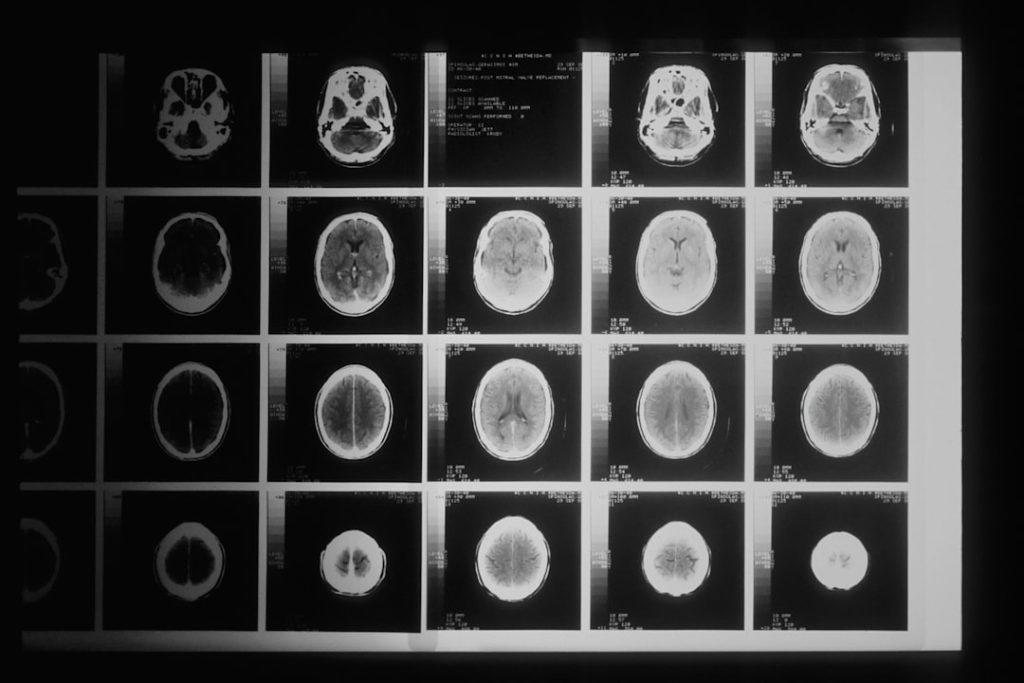
The human sense of smell operates as our most underappreciated warning system, yet it may hold the key to detecting one of the most challenging neurological conditions decades before traditional symptoms emerge. What many people dismiss as a simple cold symptom could actually represent the earliest detectable sign of Parkinson’s disease – and I believe this connection deserves far more attention from both medical professionals and the general public.
The Overlooked Power of Our Olfactory System
Our ability to detect odors serves as an evolutionary alarm system, directly connecting to brain regions that control memory and emotion through the olfactory bulb. This tiny structure in our forebrain processes scent information with remarkable speed and precision, making smell our most emotionally charged sense. Yet despite its importance, we consistently undervalue this capability until it disappears.
I find it fascinating that major retailers have long understood what medical science is only beginning to appreciate – the profound influence of scent on human behavior and decision-making. While businesses use carefully crafted fragrances to manipulate our shopping habits, we’re missing opportunities to use smell as a diagnostic tool for serious medical conditions.
The Parkinson’s Connection That Changes Everything
Here’s what I think represents one of the most significant developments in neurodegenerative disease research: up to 90% of Parkinson’s patients experience smell loss years before their first tremor or movement difficulty appears. This isn’t just another symptom – it’s potentially our earliest window into a disease process that typically remains hidden until substantial brain damage has already occurred.
The timing aspect is crucial and, frankly, revolutionary. By the time doctors can definitively diagnose Parkinson’s through traditional motor symptoms, patients have already lost more than half of their dopamine-producing neurons. This represents a massive missed opportunity for intervention that could fundamentally change treatment outcomes.

What makes this particularly compelling is the specificity of the smell loss pattern. Parkinson’s patients don’t lose all scent detection equally – they maintain their ability to perceive pleasant odors like chocolate while struggling with neutral or unpleasant smells such as soap or smoke. This selective impairment suggests we’re dealing with a distinct neurological signature rather than general sensory decline.
Who Should Pay Attention and Who Shouldn’t Panic
This information is most relevant for individuals over 50, particularly those with family histories of Parkinson’s disease or exposure to environmental toxins and pesticides. If you’re in this demographic and notice persistent smell changes lasting more than a few weeks without obvious causes like respiratory infections, it warrants medical discussion.
However, I want to emphasize that occasional smell loss from colds, allergies, or aging doesn’t indicate impending neurological disease. The key differentiator lies in persistence and pattern – Parkinson’s-related smell loss typically doesn’t resolve and affects specific types of odors.
For healthcare providers, this research should fundamentally alter diagnostic approaches. Simple smell tests could become routine screening tools, especially for patients presenting with other early Parkinson’s indicators like sleep disturbances or depression.
The Diagnostic Revolution We Need
What excites me most about this research is its potential to transform how we approach neurodegenerative diseases. Rather than waiting for irreversible damage to manifest through movement disorders, we could identify at-risk individuals when interventions might still preserve brain function.

The case of Joy Milne, who detected her husband’s distinctive Parkinson’s scent twelve years before his official diagnosis, illustrates the untapped potential of olfactory assessment. While not everyone possesses her exceptional sensory abilities, developing standardized smell tests could democratize early detection.
Some patients, particularly women, experience olfactory hallucinations – perceiving phantom odors like tobacco smoke or burning wood that aren’t actually present. These symptoms deserve serious medical attention rather than dismissal as imagination or stress.
Looking Forward: What This Means for Treatment
I believe we’re approaching a paradigm shift in neurological medicine where smell testing becomes as routine as blood pressure measurement. The research suggesting that Parkinson’s may actually begin in the olfactory bulb before spreading to movement-controlling brain regions fundamentally challenges our understanding of disease progression.
This knowledge particularly benefits researchers developing neuroprotective treatments. Having a reliable early biomarker means clinical trials can target patients before significant brain damage occurs, potentially leading to more effective interventions.
For families affected by Parkinson’s disease, this research offers both hope and practical guidance. While we can’t yet prevent the condition, early detection could provide years of additional quality time and access to emerging therapies that work best when started early.
The connection between smell and neurodegeneration represents more than scientific curiosity – it’s a practical tool that could revolutionize how we detect and treat some of our most challenging medical conditions. The question isn’t whether we should take smell loss seriously, but whether we can afford not to.
Photo by National Cancer Institute on Unsplash
Photo by Shawn Day on Unsplash
Photo by Keith Tanner on Unsplash