
Essential Casserole Dishes: Finding the Perfect Bakeware for Your Cooking Style
After testing countless casserole dishes in my own kitchen and watching friends struggle with subpar bakeware, I’m convinced that the right dish can make or break your cooking experience. The truth is, most home cooks underestimate how much their choice of casserole dish impacts both the cooking process and the final result.
Premium Cast Iron: The Investment Worth Making
French enameled cast iron represents the gold standard in casserole cookware, and frankly, it’s where serious home cooks should start if budget allows. These oval-shaped vessels deliver unmatched heat retention and distribution, creating those perfectly golden, evenly-cooked dishes that impress at dinner parties.
What I love most about premium cast iron is its dual functionality – you can sear ingredients on the stovetop before transferring to the oven, then serve directly at the table without transferring to another dish. This matters tremendously for busy home cooks who want restaurant-quality results without the cleanup hassle.
However, let’s be honest: these dishes aren’t for everyone. The hefty price tag and substantial weight make them impractical for renters, college students, or anyone with limited upper body strength. If you’re just starting out or cook infrequently, this investment doesn’t make sense.
Compact Solutions for Small Spaces
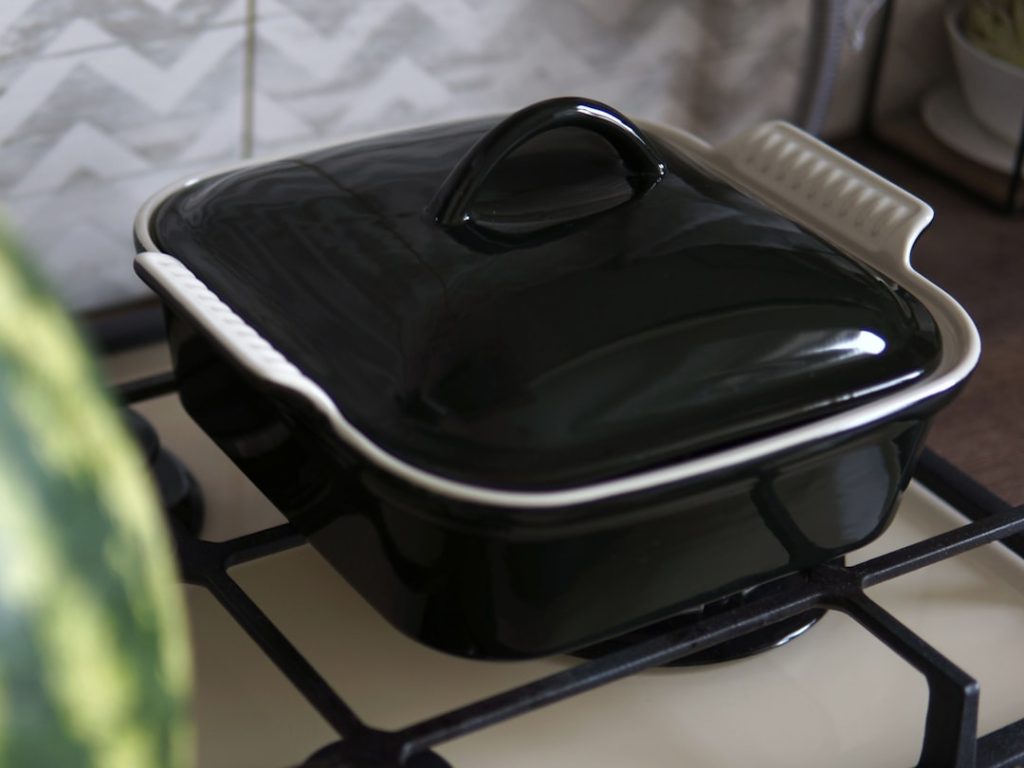
Square porcelain dishes shine in specific situations that many cooking guides overlook. I particularly appreciate how these compact options serve single-person households or anyone dealing with cramped kitchen storage.
The beauty lies in their versatility – oven, microwave, and dishwasher compatibility means you can prep, cook, and clean with minimal fuss. This appeals most to urban dwellers, busy professionals, or anyone prioritizing convenience over entertaining capabilities.
That said, these smaller dishes limit your cooking ambitions. If you regularly host gatherings or have a family to feed, you’ll quickly outgrow the capacity constraints.

Style Meets Function
Some manufacturers understand that presentation matters as much as performance. Dishes featuring wooden trivets or decorative glazes address the common problem of transitioning from oven to table gracefully.
I find these particularly valuable for hosts who want to eliminate the awkward transfer step while protecting their dining surfaces. The added visual appeal justifies the slight premium for anyone who entertains regularly.
However, style-focused options often sacrifice some practicality. The extra components mean more pieces to lose or break, and decorative elements can complicate cleaning.
Budget-Friendly Multi-Piece Sets
Nesting ceramic sets represent smart purchasing for specific cooking situations. These space-saving collections typically include various sizes that stack together, addressing storage concerns while providing versatility.
I recommend these primarily for new homeowners, apartment dwellers, or anyone building their kitchen from scratch on a budget. The ability to handle different meal sizes without dedicating excessive cabinet space makes practical sense.
The downside involves quality compromises inherent in budget pricing. Don’t expect the same heat distribution or durability as premium options, and be prepared for potential replacement within a few years of regular use.
Decorative European Ceramics
Ruffled-edge baking dishes from established European manufacturers offer an interesting middle ground between function and aesthetics. The distinctive design elements genuinely enhance presentation while maintaining solid cooking performance.

These work best for confident home cooks who appreciate craftsmanship and want their cookware to reflect personal style. The even heating and durable construction justify the investment for regular users.
Still, the decorative elements can feel excessive for purely functional cooking, and the price point excludes budget-conscious buyers.
Travel-Ready Glass Options
Borosilicate glass dishes with secure lids solve specific problems that other materials can’t address. The thermal shock resistance allows extreme temperature transitions, while the transparency lets you monitor cooking progress.
I particularly value these for potluck contributors, meal preppers, or anyone who frequently transports food. The lightweight construction and spill-proof lids eliminate common travel frustrations.
However, glass lacks the heat retention of ceramic or cast iron, potentially affecting cooking results for certain recipes. The clinical appearance also feels less appealing for formal dining situations.
Colorful Contemporary Choices
Modern manufacturers increasingly offer vibrant glazes and bold patterns that transform utilitarian cookware into kitchen statements. These options appeal to cooks who view their kitchen as an expression of personality.
The psychological impact shouldn’t be underestimated – cooking with beautiful tools genuinely enhances the experience for many people. If colorful cookware motivates you to cook more often, the investment pays dividends.
Yet trendy colors and patterns risk looking dated within a few years, and the focus on aesthetics sometimes compromises practical considerations like ease of cleaning or heat distribution.
Making the Right Choice
Your ideal casserole dish depends entirely on your specific cooking habits, budget constraints, and lifestyle priorities. Serious home cooks benefit from investing in premium materials, while casual cooks should prioritize convenience and value. Consider your storage limitations, entertaining frequency, and aesthetic preferences before committing to any particular style or price point.
Photo by Murat Ts. on Unsplash
Photo by CHUTTERSNAP on Unsplash
Photo by Jametlene Reskp on Unsplash