
Electric Ferrari Controversy: Why the Luce Design Divides Auto Enthusiasts
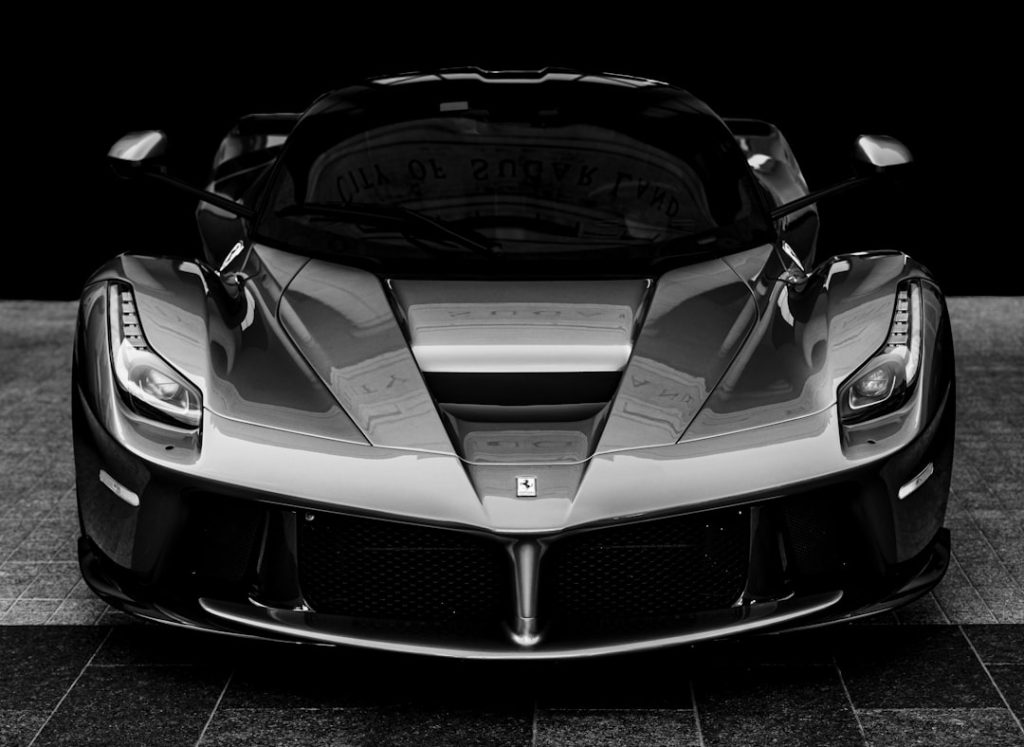
The automotive world has erupted into heated debate over Ferrari’s inaugural electric vehicle, the Luce, with design critics and enthusiasts taking sharply opposing sides. After consulting with three seasoned Italian automotive industry professionals, it’s clear this controversy runs deeper than typical design preferences.
What strikes me most about this debate is how it perfectly encapsulates the broader tension between tradition and innovation in luxury automotive design. The Luce represents Ferrari’s bold leap into electrification, but the question remains whether the design language successfully bridges the gap between heritage and future mobility.
The Design Elements That Work
According to industry veterans, several aspects of the Luce’s design demonstrate thoughtful consideration for aerodynamic efficiency and electric vehicle requirements. The streamlined bodywork serves a functional purpose beyond aesthetics, optimizing airflow to maximize range – a critical factor for any electric sports car.
I believe this functional approach makes perfect sense for Ferrari’s target demographic of performance-oriented buyers who won’t compromise on capability. These customers understand that electric vehicles demand different design priorities, and they’re likely to appreciate engineering-driven aesthetics over purely nostalgic styling cues.

Where the Design Falls Short
However, the criticism isn’t entirely unfounded. The departure from Ferrari’s iconic design DNA has left some traditionalists feeling alienated. The front fascia, in particular, lacks the aggressive character lines that have defined Ferrari’s visual identity for decades.
This disconnect particularly affects long-time Ferrari collectors and purists who view the brand through the lens of its combustion engine heritage. For these enthusiasts, the Luce’s design represents an unwelcome departure from established visual traditions that have defined the marque’s exclusivity.
Industry Professional Perspectives
The three Italian experts revealed fascinating insights about the design philosophy behind the Luce. They emphasized how electric powertrains fundamentally alter design requirements, from cooling needs to weight distribution considerations.
What’s particularly interesting is how these professionals view the Luce as a necessary evolution rather than a betrayal of Ferrari’s legacy. They argue that maintaining relevance in the electric era requires bold design choices that may initially seem controversial.

Who Benefits from This Design Direction
The Luce’s design strategy clearly targets a new generation of luxury car buyers who prioritize sustainability without sacrificing performance. These customers, typically younger and more environmentally conscious, represent Ferrari’s future customer base.
Technology executives, sustainable luxury advocates, and forward-thinking collectors will likely embrace the Luce’s design as a symbol of progressive thinking. For them, the visual departure from tradition signals Ferrari’s commitment to innovation rather than stagnation.
The Broader Implications
This design controversy reflects a larger industry challenge: how heritage brands navigate the transition to electric mobility while preserving their core identity. Ferrari’s approach with the Luce suggests they’re willing to risk alienating some traditionalists to capture new market segments.
I think this calculated risk makes business sense, even if it generates short-term controversy. The luxury automotive market is evolving rapidly, and brands that cling too tightly to historical design elements risk becoming irrelevant to future buyers.
The Luce’s polarizing reception ultimately demonstrates that Ferrari has succeeded in creating something genuinely distinctive in the electric vehicle space. Whether that distinction translates into commercial success will depend on how effectively they can communicate the design’s underlying philosophy to both critics and supporters.
Photo by Adrian Newell on Unsplash
Photo by Nate Dieckhaus on Unsplash
Photo by Alec Jones on Unsplash