
Brazil Prolongs Anti-Inflation Fuel Policies Amid Middle East Crisis
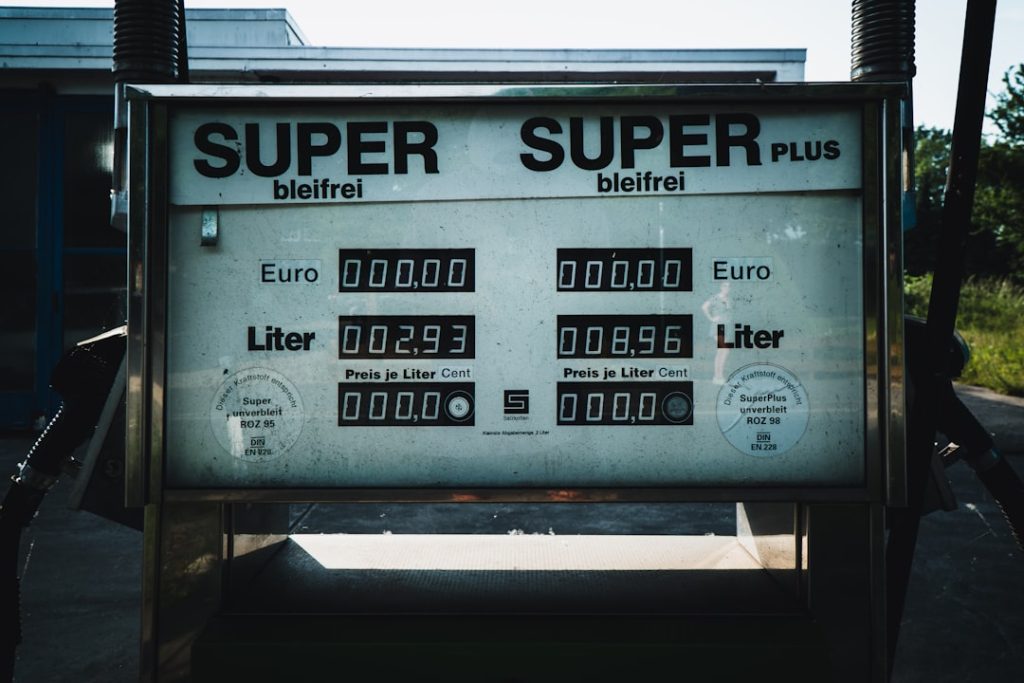
The Brazilian administration has decided to extend its fuel price stabilization program for an additional two-month period, responding to ongoing volatility in global energy markets stemming from Middle Eastern conflicts. This decision reflects the government’s commitment to shielding consumers from dramatic price fluctuations at the pump.
In my view, this extension represents a pragmatic approach to economic management during uncertain times. The policy serves as a crucial buffer for Brazilian families and businesses who are already grappling with inflationary pressures across multiple sectors. For middle-class households and small business owners who depend heavily on transportation, these measures could mean the difference between manageable monthly budgets and financial strain.

However, I believe this policy primarily benefits urban consumers and commercial operators while potentially creating long-term fiscal challenges. Rural communities, who often face different fuel access issues, may not see proportional benefits from these price controls. Additionally, while the immediate relief is welcome, extended government intervention in fuel pricing can distort market mechanisms and create dependency on subsidies.
The timing of this extension is particularly significant, as it demonstrates how regional conflicts can have far-reaching economic consequences for nations thousands of miles away. What strikes me as most important here is Brazil’s proactive stance in protecting its domestic economy from external shocks, though I question whether temporary measures can address the underlying structural issues in global energy markets.

For policymakers in other emerging economies, Brazil’s approach offers both lessons and warnings. The strategy works well for short-term stability but requires careful consideration of exit strategies to avoid creating unsustainable fiscal burdens. Ultimately, this extension buys time for the government to develop more comprehensive energy policies while providing immediate relief to consumers who need it most.
Photo by Jonathan Kemper on Unsplash
Photo by Jesse Donoghoe on Unsplash
Photo by Richard Bell on Unsplash