
The Shocking Reality: How Housing Costs Are Crushing Modern Families
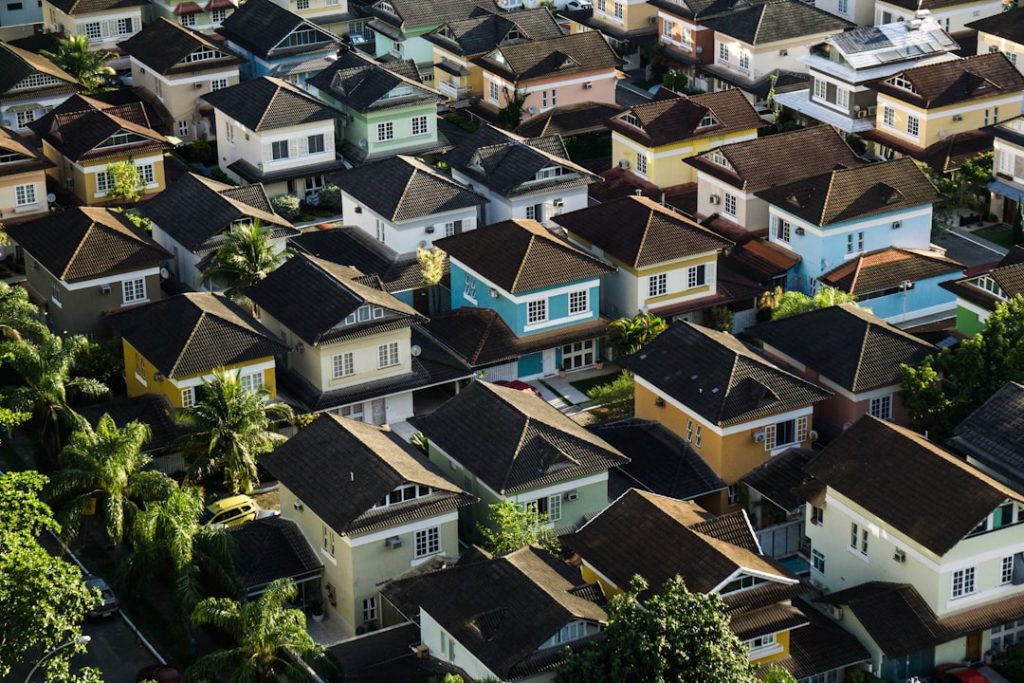
The traditional path to homeownership has become a financial minefield that’s devastating American families in ways we’ve never seen before. What once represented stability and prosperity now demands sacrifices that I believe are fundamentally reshaping our society’s values and priorities.
Today’s housing market presents a stark reality: a single property that could comfortably house one family now requires the combined resources of multiple households just to make ownership feasible. This isn’t just an economic shift—it’s a cultural transformation that’s forcing us to reconsider what the American Dream actually means in practice.
The Mathematics of Modern Housing
The numbers tell a sobering story that should concern anyone planning their financial future. Property values have escalated at rates that far exceed wage growth, creating a gap that traditional single-family financing simply cannot bridge for most Americans. What troubles me most is how this trend is creating a two-tiered society where homeownership becomes a privilege reserved for the wealthy or those willing to sacrifice their financial independence.
This situation particularly impacts young professionals and middle-class families who find themselves caught between rising costs and stagnant incomes. The psychological toll of watching homeownership slip away despite working multiple jobs or advancing in careers cannot be understated.

Who Benefits from This Crisis
Interestingly, this housing crunch creates clear winners and losers. Investment firms and cash buyers thrive in this environment, able to outbid traditional families and convert single-family homes into rental properties or multi-unit investments. Real estate agents and mortgage brokers also benefit from higher transaction values, even as fewer people can participate in the market.
However, I believe the real winners are those who already own property and can leverage their equity to acquire additional real estate. This creates a wealth concentration effect that’s troubling for long-term social stability.
The Losers in Today’s Market
The most affected groups include first-time homebuyers, young families, and anyone without substantial family wealth to draw upon. Teachers, nurses, firefighters, and other essential workers find themselves priced out of the communities they serve—a trend I find particularly concerning for social cohesion.
Renters face the double burden of rising rents while being unable to build equity, creating a cycle that’s increasingly difficult to break. The psychological impact of feeling permanently locked out of homeownership affects everything from family planning to retirement security.

Alternative Strategies Worth Considering
For those serious about homeownership, unconventional approaches are becoming necessary. Co-buying arrangements with friends or family members, while complex, offer one path forward. House hacking—purchasing a multi-unit property and living in one unit while renting others—can work for those comfortable with being landlords.
Geographic arbitrage remains viable for remote workers willing to relocate to more affordable markets. However, this solution isn’t available to everyone and often means leaving behind established social networks and career opportunities.
What Really Matters Now
In my view, the most important factor is realistic goal-setting. The suburban single-family home with a white picket fence may no longer be achievable for many, but alternative forms of homeownership and wealth-building still exist. The key is adapting expectations to current realities rather than clinging to outdated models.
Financial education becomes crucial in this environment. Understanding mortgage products, investment strategies, and market timing can mean the difference between eventual homeownership and permanent renter status.
Looking Forward
This housing crisis reflects broader economic trends that extend far beyond real estate. Income inequality, monetary policy, and zoning regulations all contribute to the current situation. While individual strategies can help some people navigate these challenges, systemic changes will be necessary to restore housing affordability for the broader population.
The question isn’t whether the housing market will eventually correct—it’s whether American families can survive financially until that happens. For those still pursuing homeownership, the path forward requires creativity, patience, and often difficult compromises that previous generations never had to consider.
Photo by Breno Assis on Unsplash
Photo by Tierra Mallorca on Unsplash
Photo by Precondo CA on Unsplash