
Fashion Industry Shake-ups: Magazine Acquisitions, Executive Changes, and Strategic Partnerships
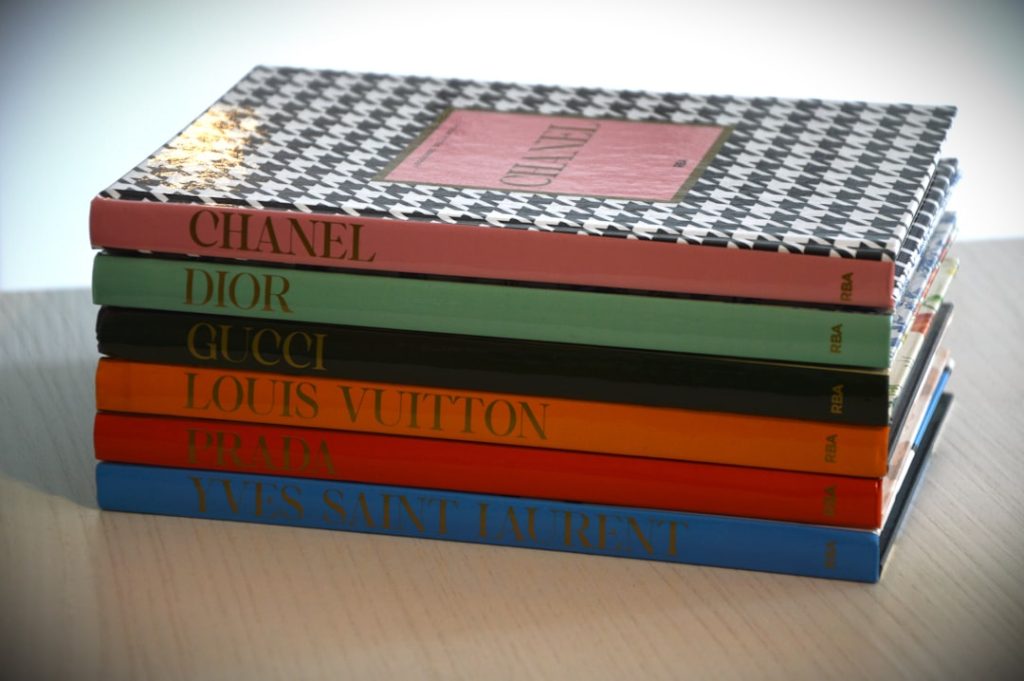
The fashion and beauty industries are experiencing significant movement this week, with major acquisitions, leadership transitions, and strategic partnerships reshaping the landscape. These developments reveal both the resilience and volatility that define today’s fashion business environment.
Iconic British Magazine Gets Second Chance at Life
Investment firm C86 Holdings has stepped in to rescue The Face, the legendary British publication that originally launched in 1980 and became synonymous with cutting-edge music and fashion culture. After its previous owners at Wasted Talent Limited shuttered operations earlier this year, many industry observers wondered if this would be the final chapter for the influential magazine.
I believe this acquisition represents more than just a business transaction—it’s a bet on the enduring power of authentic editorial voice in an increasingly digital world. The Face built its reputation by spotting cultural trends before they went mainstream, something that’s incredibly valuable but notoriously difficult to monetize consistently. Kuok Meng Ru from C86 Holdings seems to understand the delicate balance required, emphasizing the need to honor the brand’s legacy while building for the future.
This move will likely appeal most to media companies looking to understand how legacy publications can find new life, though I suspect the real test will be whether The Face can recapture its cultural relevance without losing its edge to commercial pressures.
Leadership Transition at French Fashion House
Isabel Marant has appointed Catherine Jacquet as its new chief executive, marking another significant leadership change in the luxury fashion sector. Jacquet brings experience from her recent role as chief operating officer at Fear of God and her previous position as general manager at Lemaire, giving her a unique perspective on both contemporary and established luxury markets.
What strikes me about this appointment is the strategic timing. The fashion industry is grappling with changing consumer behaviors and economic uncertainty, making operational expertise more crucial than ever. Jacquet’s background suggests Isabel Marant is prioritizing business fundamentals over pure creative vision—a pragmatic approach that should serve the brand well during challenging times.

This change will be most relevant for investors and industry professionals tracking how mid-tier luxury brands adapt their leadership structures. For consumers, the impact may be less immediately visible but could influence everything from pricing strategies to retail expansion.
Luxury Meets Sports in Spanish Partnership
Loewe has secured a four-year agreement to outfit Spain’s national soccer teams, extending through major tournaments from 2026 to 2030. The partnership encompasses complete travel wardrobes, including tailoring, casual wear, footwear, and leather accessories.
This collaboration represents a fascinating intersection of luxury fashion and sports culture that I find particularly compelling. While sports partnerships aren’t new for luxury brands, Loewe’s approach feels more sophisticated than typical athletic sponsorships. By focusing on travel attire rather than performance gear, they’re positioning themselves in the lifestyle space where luxury brands naturally excel.
The partnership will likely resonate most with fashion enthusiasts who appreciate the cultural cachet of national team associations, though I question whether it will significantly impact Loewe’s core customer base. The real value may lie in brand exposure during major tournaments, where luxury fashion can reach audiences that might never encounter it otherwise.
Luxury Conglomerate Shows Strong Performance
Richemont reported impressive fourth-quarter results, with group sales climbing 11% to €22.4 billion. The jewelry division, anchored by prestigious houses like Cartier and Van Cleef & Arpels, contributed significantly with 8% growth reaching €16.5 billion.
These numbers tell a story about luxury resilience that I find both encouraging and concerning. While the growth demonstrates continued appetite for high-end goods, the geographic distribution of that growth—led by the Americas and Middle East & Africa—suggests luxury consumption is becoming increasingly concentrated among the ultra-wealthy in specific regions.

This performance data will be most valuable for investors and luxury industry analysts, though I believe it also signals broader economic trends that affect everyone. When luxury goods perform this well during uncertain times, it often indicates growing wealth inequality rather than broad-based economic health.
British Fashion Strengthens Paris Presence
The British Fashion Council has committed to a four-year expansion of its London Show Rooms initiative in Paris, showcasing emerging British menswear designers during Paris Fashion Week Men’s. The program will operate from The Architect’s House, providing a platform for BFC Foundation designers and Fashion East participants.
This expansion reflects the ongoing importance of physical presence in fashion’s increasingly digital world. I appreciate the BFC’s recognition that emerging designers need structured support to navigate international markets, especially in menswear where commercial opportunities can be more limited than in women’s fashion.
The initiative will primarily benefit emerging British designers seeking international exposure, though I suspect its broader impact on British fashion’s global reputation could be significant. For industry professionals, it represents another example of how fashion organizations are adapting their support structures for the post-pandemic landscape.
Beauty Accelerator Program Gets Strategic Update
Sephora has revamped its Accelerate program, shifting focus toward operational readiness and long-term business viability. The updated six-month curriculum now emphasizes scaling strategies and launch fundamentals, moving beyond basic brand development.
This evolution reflects a maturing understanding of what emerging beauty brands actually need to succeed. I believe Sephora’s recognition that creativity alone isn’t enough—that operational excellence and business acumen are equally crucial—represents a more realistic approach to brand incubation.
The updated program will be most valuable for beauty entrepreneurs who understand that getting into Sephora is just the beginning, not the end goal. However, I worry that the increased emphasis on business fundamentals might inadvertently favor founders who already have significant resources or business education, potentially limiting opportunities for truly innovative but less traditionally qualified entrepreneurs.
Photo by Emin Huric on Unsplash
Photo by Kamilla Isalieva on Unsplash
Photo by Anshul Gurjar on Unsplash