
Essential Handbag Selection Guide for Fashion Industry Interns
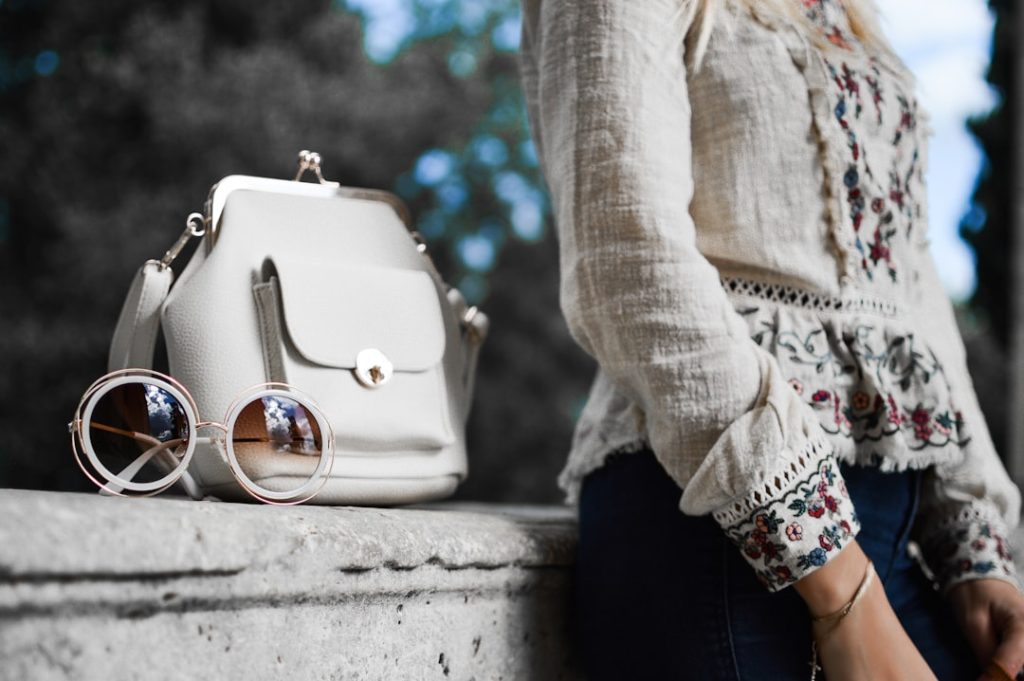
Let me be frank about something many fashion industry guides won’t tell you: your appearance as an intern matters tremendously, sometimes more than seasoned professionals want to admit. While your work ethic and skills are paramount, the reality is that visual presentation carries significant weight in fashion environments. I believe this pressure can be both motivating and overwhelming for newcomers.
The handbag you choose becomes a crucial element of your professional toolkit. It’s not just about looking polished—though that matters—it’s about demonstrating that you understand the industry’s unspoken language of style and practicality. In my opinion, this is where many interns stumble, either going too trendy or too conservative.
Why the Right Bag Makes a Difference
I’ve observed that successful fashion interns master the art of looking effortlessly put-together while maintaining functionality. The ideal handbag should communicate sophistication without screaming for attention. This approach benefits ambitious students and career-changers who want to make a lasting impression, but it may not suit those who prefer to express bold individuality through accessories.

What I find particularly important is selecting a bag that transitions seamlessly from morning coffee runs to afternoon client meetings. The investment—typically ranging from $300 to $500 for quality options—pays dividends in versatility and longevity. However, this price point isn’t realistic for everyone, and I think the industry needs to acknowledge that financial barriers exist.
Practical Considerations That Actually Matter
Size selection deserves serious consideration. Larger formats accommodate laptops, portfolios, and the inevitable collection of samples and materials that accumulate throughout the day. I believe the extra capacity justifies the higher price for most interns. Smaller versions work better for those in administrative roles or established offices where personal storage is available.
The slouchy, unstructured design trend serves interns well because it appears casual yet refined. This style choice benefits individuals who move frequently between locations or work in fast-paced environments. Traditional structured bags, while elegant, can feel overly formal in creative settings.

Color Strategy and Long-term Value
Neutral tones offer the most versatility, though I think a subtle pattern or texture can add personality without compromising professionalism. The key is choosing something that won’t look dated in two years. This approach benefits budget-conscious buyers who need maximum outfit compatibility, but creative individuals might find neutrals limiting their self-expression.
Quality construction becomes essential when you consider the daily wear these bags endure. I believe investing in well-made pieces ultimately costs less than replacing cheaper alternatives multiple times. This strategy works best for serious career-builders but may not suit casual interns or those uncertain about their fashion industry future.
The most successful approach combines practical functionality with subtle style signals that demonstrate industry awareness. This balance helps ambitious newcomers establish credibility while maintaining the flexibility to adapt as their careers evolve.
Photo by Tamara Bellis on Unsplash
Photo by Mobina Ghazazani on Unsplash
Photo by Content Pixie on Unsplash