
The Ultimate Wildlife Quest: Tracking Down Every Penguin Species Across Remote Ocean Territories
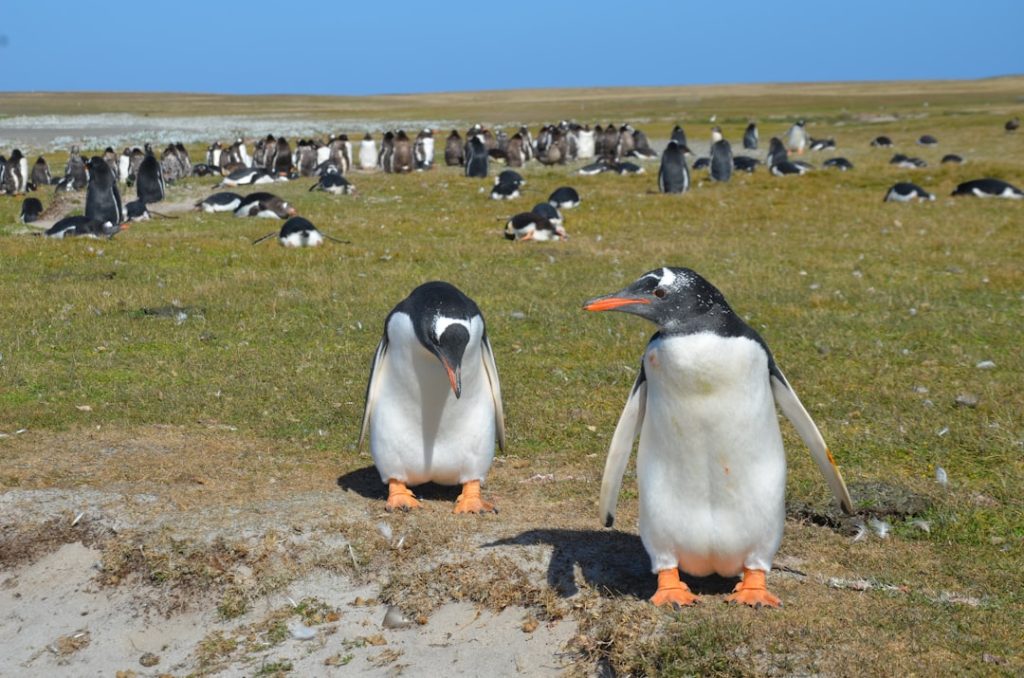
In my opinion, there’s no wildlife pursuit quite as demanding—or rewarding—as seeking out all 19 recognized penguin species in their natural habitats. This isn’t a journey for casual birdwatchers or weekend nature enthusiasts. It’s an expedition that requires serious commitment, substantial financial resources, and an almost obsessive dedication to experiencing these remarkable birds where they truly belong.
What strikes me most about this particular wildlife challenge is how it forces you to visit some of Earth’s most isolated and pristine locations. From the icy shores of the Antarctic Peninsula to the windswept beaches of remote subantarctic islands, each species occupies its own unique ecological niche that tells a fascinating story of adaptation and survival.
The logistics alone make this quest extraordinary. I believe the most accessible species for beginners are the African penguins along South Africa’s coast and the Little Blue penguins of Australia and New Zealand. These locations offer comfortable accommodations and reliable viewing opportunities that won’t break the bank or test your physical limits.

However, the real challenge begins when pursuing the more remote populations. The subantarctic islands scattered across the Southern Ocean host several endemic species that require specialized expedition cruises. What I find particularly compelling is how each island group—whether it’s the Falklands, South Georgia, or the remote Tristan da Cunha archipelago—offers its own unique penguin encounters alongside breathtaking landscapes.
In my experience, the Emperor penguin represents the ultimate prize for serious penguin enthusiasts. These magnificent birds, standing nearly four feet tall, inhabit some of the most inhospitable environments on Earth. Reaching their breeding colonies requires either expensive helicopter flights or grueling overland journeys across Antarctic ice, making this species accessible only to the most dedicated and well-funded adventurers.
I think it’s important to acknowledge who this pursuit really serves. This is decidedly not for budget travelers or those seeking quick wildlife fixes. The financial investment can easily reach six figures when accounting for multiple expedition cruises, flights to remote destinations, and specialized gear. More importantly, it requires significant time away from work and family commitments.

What makes this journey worthwhile, from my perspective, is the profound connection it creates with our planet’s most pristine wilderness areas. Each penguin species serves as an ambassador for its ecosystem, highlighting the critical importance of marine conservation and climate stability. Witnessing these birds in their natural environments provides insights that no documentary or zoo exhibit can match.
The timing aspect cannot be overlooked. Many species are only accessible during specific breeding seasons, requiring careful coordination of travel plans across multiple years. I’ve found that the most successful penguin chasers approach this as a long-term project rather than a rushed checklist expedition.
For those considering this journey, I strongly recommend starting with the more accessible species to gauge your enthusiasm and tolerance for remote travel conditions. The Magellanic penguins of Patagonia or the Galápagos penguins offer excellent introductory experiences without the extreme logistics of Antarctic expeditions.
Ultimately, I believe this quest appeals most to serious wildlife photographers, dedicated birders, and adventure travelers who prioritize unique experiences over conventional tourism. It’s not about collecting species like trophies, but rather about understanding the incredible diversity of these charismatic birds and the fragile environments they call home.
Photo by Danielle Barnes on Unsplash