
Premium Connected Fitness Equipment That Justifies the Investment
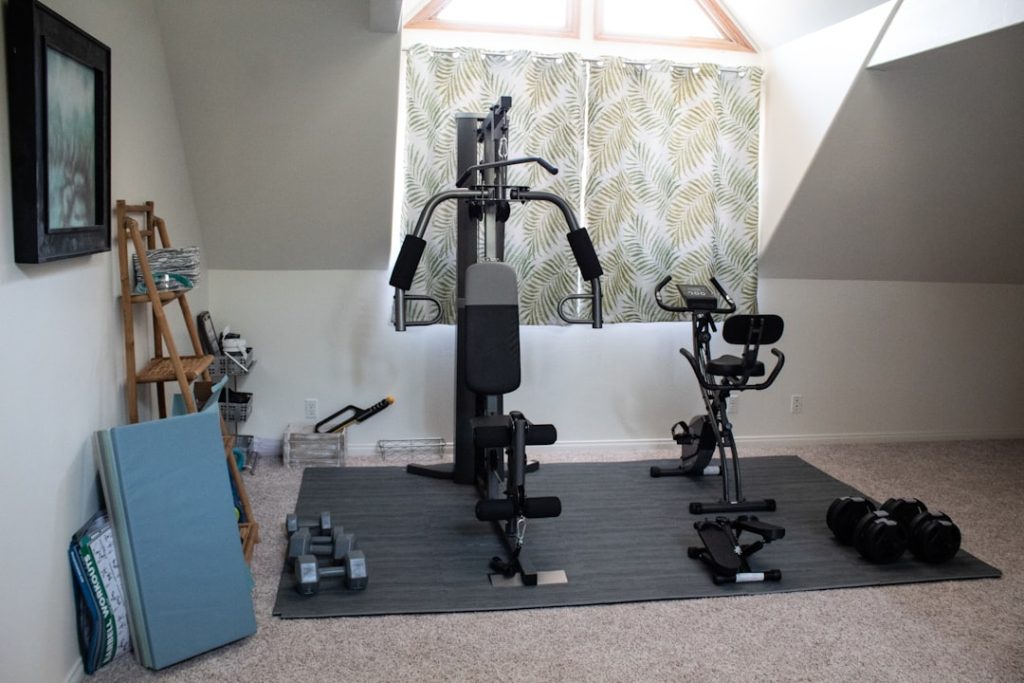
The home fitness revolution has fundamentally changed how we approach exercise, and I believe smart gym equipment represents the sweet spot between convenience and performance. After extensively testing various connected fitness machines, I’m convinced that the right equipment can genuinely transform your workout routine – but only if you’re willing to commit both financially and physically.
Why Smart Home Gyms Make Sense (For Some People)
Let me be clear: connected fitness equipment isn’t for everyone. These machines excel for disciplined individuals who struggle with gym schedules but thrive on structured workouts. If you’re someone who needs the social energy of a crowded fitness center or prefers switching between different equipment frequently, traditional gyms remain your best bet.
However, for busy professionals, parents juggling multiple schedules, or those who genuinely prefer exercising at home, smart equipment offers unmatched convenience. The key advantage isn’t just having equipment at home – it’s having guided equipment that adapts to your fitness level and keeps you engaged.
The Standout Machines Worth Considering
High-Incline Treadmills: The NordicTrack X24
This machine impressed me with its extreme 40% incline capability, which genuinely simulates challenging hiking conditions. The 24-inch touchscreen and automatic adjustment features create an immersive experience that justifies the premium price point.
Perfect for: Serious runners and hiking enthusiasts who want varied terrain training without leaving home. The steep incline options provide workout intensity that most commercial gyms can’t match.
Skip if: You have limited space or prefer simple, straightforward workouts. This machine demands significant floor space and works best when you’re committed to using its advanced features regularly.

Connected Cycling: Peloton’s Latest Evolution
The newest Peloton bike demonstrates how established brands continue innovating. The 360-degree rotating screen and AI-powered form coaching represent meaningful upgrades, though I question whether existing users need to upgrade immediately.
Ideal for: Cycling enthusiasts who want professional-quality classes and don’t mind paying premium subscription fees. The community aspect and class variety remain unmatched.
Not recommended for: Casual exercisers or anyone already owning previous Peloton models. The upgrade costs don’t justify the incremental improvements for most users.
Strength Training Revolution: Tonal’s Second Generation
Tonal 2 represents the pinnacle of connected strength training, using electromagnetic resistance to replace traditional weights. The 250-pound resistance capacity and form-tracking sensors create a genuinely personalized strength training experience.
Best suited for: Dedicated strength training enthusiasts with substantial budgets and wall space. The technology genuinely replaces a full weight room while providing expert guidance.
Avoid if: You’re inconsistent with workouts or prefer traditional free weights. At over $4,000, this investment only makes sense for committed users who will utilize its advanced features regularly.

The Reality Check: Who Should Invest
After testing numerous connected fitness machines, I’ve concluded that these products work exceptionally well for specific user types. You’ll benefit most if you’re self-motivated, have consistent workout schedules, and value convenience over variety. The subscription-based model also works well for people who prefer structured, guided workouts over freestyle training.
However, I wouldn’t recommend smart home gyms for social exercisers, people with limited budgets, or those who frequently change their fitness routines. Traditional gym memberships often provide better value for casual users or those still exploring different exercise preferences.
Investment Considerations
Smart home gym equipment represents a significant financial commitment, typically starting around $1,000 and easily exceeding $4,000 for premium models. Factor in monthly subscription costs, which range from $40-50, and you’re looking at substantial ongoing expenses.
Space requirements also shouldn’t be underestimated. Most connected fitness equipment demands dedicated floor space and, in some cases, specific wall mounting requirements. Measure your available space carefully and consider how the equipment will fit into your daily routine.
The versatility factor varies significantly between machines. While some offer comprehensive workout libraries spanning multiple exercise types, others focus specifically on their primary function. Choose based on your preferred workout styles and long-term fitness goals.
Making the Right Choice
The connected fitness market continues evolving rapidly, with manufacturers regularly updating software and introducing new features. This constant innovation benefits users but also means today’s premium features may become standard tomorrow.
My recommendation: invest in smart home gym equipment only if you’re confident about your commitment level and have specific fitness goals that align with the equipment’s strengths. These machines excel at providing consistent, guided workouts but can’t replicate the social energy and equipment variety of traditional gyms.
For the right user, connected fitness equipment represents a worthwhile investment that pays dividends in convenience, consistency, and results. For everyone else, a traditional gym membership likely offers better value and flexibility.
Photo by Brian Wangenheim on Unsplash
Photo by Giorgio Trovato on Unsplash