
The Turkish Revolution: How Innovation Transformed Hair Restoration Into a Global Powerhouse
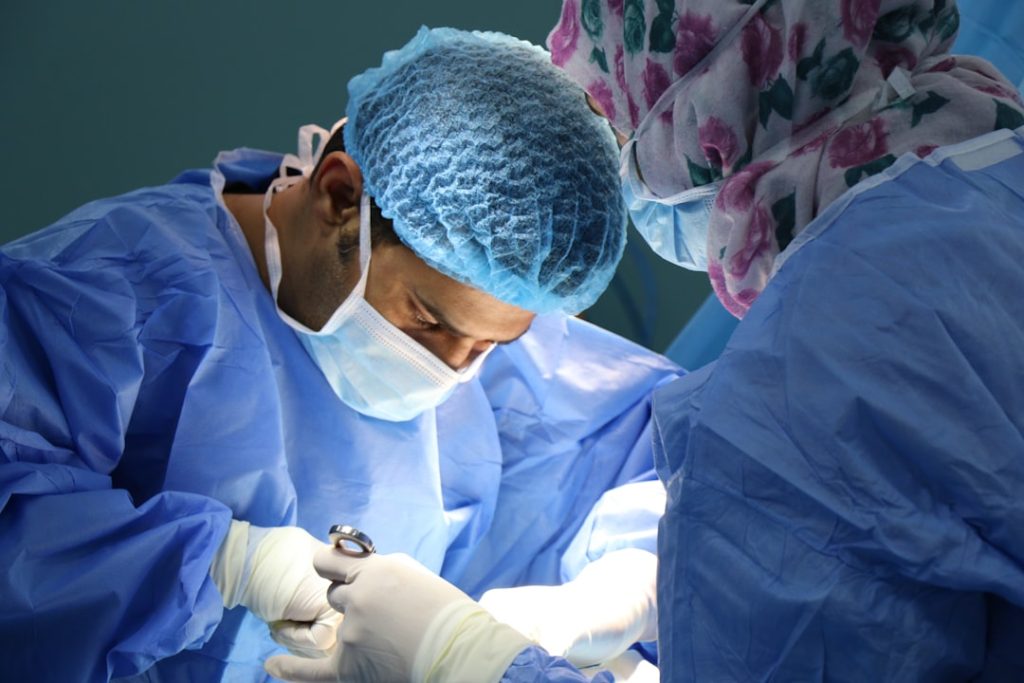
The hair restoration sector has undergone a dramatic transformation, and in my opinion, no country exemplifies this evolution better than Turkey. What started as a niche medical procedure has exploded into a sophisticated, billion-dollar industry that’s reshaping how we think about cosmetic medicine.
I believe the key to Turkey’s dominance lies in their relentless pursuit of technological advancement. The integration of specialized mechanical systems and artificial intelligence into hair transplantation procedures represents a fundamental shift from traditional methods. This isn’t just about keeping up with trends – it’s about completely reimagining what’s possible in surgical precision and patient outcomes.
The Technology Behind the Transformation
What fascinates me most is how Turkish clinics have embraced cutting-edge motor technology to enhance follicle extraction and implantation. These precision instruments allow surgeons to work with unprecedented accuracy, reducing trauma to both donor and recipient areas. The result? Better survival rates for transplanted follicles and more natural-looking results.

The incorporation of machine learning algorithms is equally impressive. These systems analyze scalp patterns, predict optimal placement strategies, and even assist in determining the ideal number of grafts needed. For patients seeking the most advanced treatment available, this technological integration is a game-changer.
Who Benefits From This Innovation
In my view, this technological revolution primarily benefits three groups. First, patients who previously couldn’t achieve satisfactory results with older techniques now have access to procedures with significantly higher success rates. Second, medical tourists seeking world-class treatment at competitive prices find Turkey’s combination of innovation and affordability compelling. Third, the global medical community benefits from the research and development emerging from Turkish institutions.
However, I think it’s important to note that this isn’t for everyone. Patients seeking the absolute lowest cost options might find that cutting-edge facilities command premium pricing. Additionally, those uncomfortable with international travel for medical procedures may prefer local alternatives, even if they’re less technologically advanced.

The Broader Impact on Medical Tourism
What strikes me as particularly significant is how this technological advancement has elevated Turkey’s position in the global medical tourism market. The country has transformed from a budget alternative to a premium destination that attracts patients specifically for its innovative approaches rather than just cost savings.
This shift matters because it demonstrates how emerging markets can leapfrog established competitors through strategic investment in technology and training. Other countries in the medical tourism space should take note – competing solely on price is no longer sustainable when patients have access to superior technology elsewhere.
Looking Forward
I believe we’re witnessing just the beginning of this technological revolution in hair restoration. The continuous refinement of these systems suggests that outcomes will only improve, potentially making hair transplantation accessible to patients who previously weren’t good candidates for the procedure.
For the industry as a whole, Turkey’s approach serves as a blueprint for how medical specialties can evolve through innovation rather than incremental improvements. This model could easily be applied to other cosmetic and reconstructive procedures, fundamentally changing patient expectations and treatment standards worldwide.
Photo by JAFAR AHMED on Unsplash
Photo by Husien Bisky on Unsplash
Photo by National Cancer Institute on Unsplash