
Restaurant Industry Veteran Reveals Critical Menu Strategy After Opening 25+ Establishments
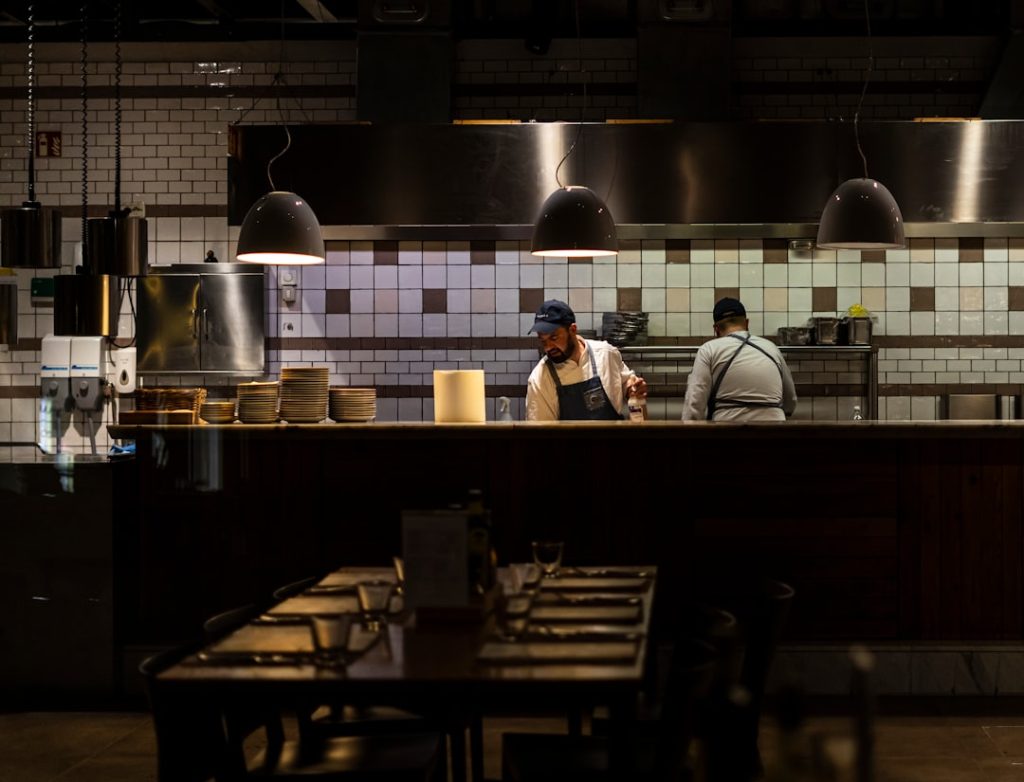
After launching more than 25 restaurants throughout my career, I’ve learned that success in the food service industry often comes down to making smart decisions early on. If I could go back and change one fundamental aspect of how I approached menu development, it would be to drastically simplify the offerings from day one.
The biggest mistake I see new restaurant owners make – and one I made repeatedly in my early ventures – is creating overly complex menus with too many options. This approach seems logical at first: offer something for everyone, cater to diverse tastes, and maximize potential revenue streams. However, this strategy is fundamentally flawed and can doom a restaurant before it even finds its footing.
I believe the sweet spot for most restaurants lies in offering 8-12 carefully curated items rather than the 30-50 options many establishments feel compelled to provide. This isn’t just about operational efficiency, though that’s certainly important. It’s about creating a focused brand identity that customers can understand and remember.

For new restaurant owners, this advice is absolutely critical. You’re already juggling countless variables – staff training, supplier relationships, cost control, and customer acquisition. Adding menu complexity to this mix is like trying to juggle while riding a unicycle. Experienced operators with established systems might handle broader menus, but newcomers should resist the temptation.
The financial implications are staggering. Every additional menu item requires separate ingredient sourcing, increases inventory costs, complicates prep work, and extends training time for kitchen staff. I’ve watched restaurants hemorrhage money because they couldn’t efficiently manage their ingredient costs across dozens of different dishes. Meanwhile, establishments focusing on a smaller selection often achieve better profit margins and more consistent quality.
What matters most isn’t giving customers endless choices – it’s executing a limited selection exceptionally well. Customers would rather have 10 outstanding options than 40 mediocre ones. This approach also allows restaurants to build expertise in specific cooking techniques and ingredient combinations, leading to signature dishes that drive repeat business.

This strategy particularly benefits fast-casual establishments, family-owned restaurants, and any venue operating with limited kitchen space or staff. However, it might not work as well for large-scale operations with extensive resources or establishments specifically positioned as variety-focused venues like diners or buffets.
The psychology behind menu design supports this approach. Research consistently shows that too many choices can overwhelm customers, leading to decision paralysis and decreased satisfaction with their final selection. A streamlined menu guides diners toward confident choices and creates a more pleasant ordering experience.
I think the restaurant industry has been slow to embrace this principle because owners often confuse variety with value. They assume more options automatically translate to broader appeal, but the opposite is frequently true. The most successful restaurants I’ve observed – and operated – became known for doing specific things exceptionally well rather than attempting to be everything to everyone.
Photo by Fatma Gallery on Unsplash
Photo by Alexander Van Steenberge on Unsplash