
The Sober Tech Revolution: How Young Professionals Are Reshaping San Francisco’s Nightlife Scene
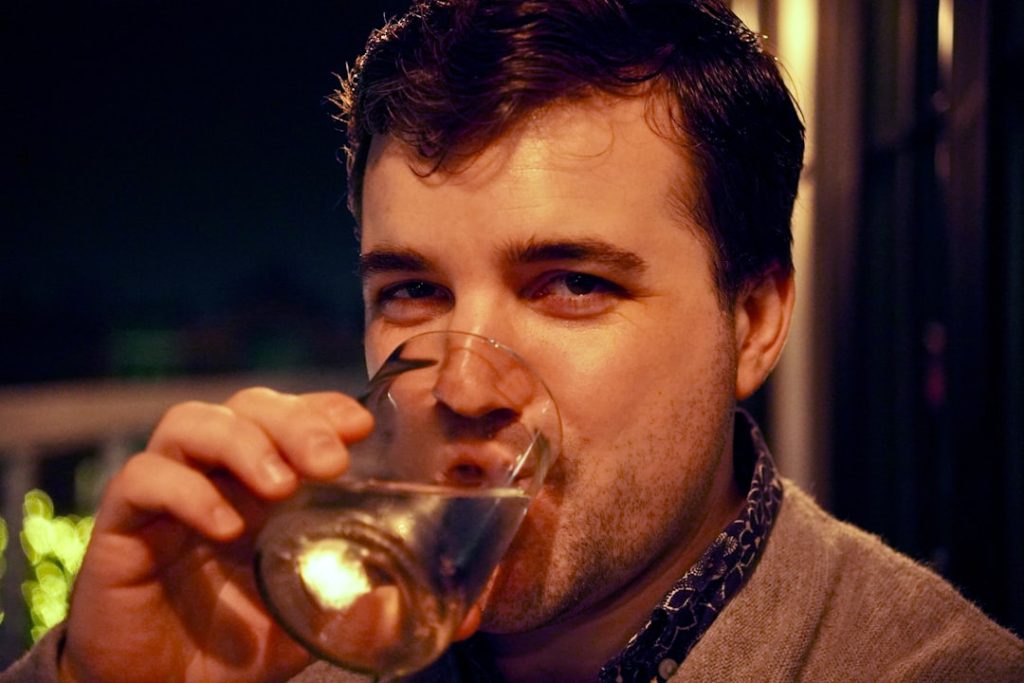
As someone who’s witnessed the evolution of San Francisco’s drinking culture firsthand, I can tell you that the city’s tech-heavy demographic is driving a fascinating shift toward sobriety that’s completely transforming how we think about nightlife.
The young professionals flooding into the Bay Area are increasingly choosing mocktails over martinis, and frankly, I think this trend reveals something profound about generational priorities. These aren’t your typical abstainers – they’re health-conscious, productivity-focused individuals who want the social experience without the cognitive fog that comes with alcohol.
Who This Movement Really Serves
This sober-curious trend primarily benefits high-performing professionals who can’t afford to compromise their mental sharpness. For software engineers debugging complex systems or startup founders making critical decisions, even mild hangovers can derail productivity for days. I believe this demographic has simply done the math: the temporary pleasure of alcohol doesn’t justify the performance cost.

However, this movement isn’t universal. Traditional service industry workers, artists, and older professionals often view drinking as an essential social lubricant and stress reliever. The sober trend tends to appeal most to those with demanding cognitive jobs and flexible schedules.
The Business Reality Behind Mocktails
From an operator’s perspective, the economics are compelling. Premium non-alcoholic beverages often carry higher profit margins than traditional cocktails since we’re not paying liquor taxes or dealing with expensive spirits inventory. The challenge lies in creating drinks sophisticated enough to justify premium pricing.
I’ve observed that successful mocktail programs require genuine innovation, not just fruit juice with fancy garnishes. Customers expect complex flavor profiles using ingredients like kombucha, shrubs, and botanical extracts. The preparation often involves more labor than standard cocktails, but the payoff comes through customer loyalty and repeat visits.

Cultural Implications Worth Considering
What strikes me most about this trend is how it reflects broader changes in work culture. The traditional “work hard, play hard” mentality that defined previous generations is giving way to “optimize everything.” These young professionals treat their bodies like high-performance machines, and alcohol simply doesn’t fit that framework.
This shift benefits establishments willing to invest in quality non-alcoholic programs, but it challenges venues that built their identity around traditional drinking culture. Dive bars and old-school establishments may struggle to adapt, while modern cocktail lounges can pivot more easily.
The Long-Term Outlook
I believe this trend will continue expanding beyond the tech sector as younger generations prioritize wellness and mental clarity. However, it’s not necessarily permanent – economic pressures, life changes, and cultural shifts could easily reverse these preferences.
The key insight for business owners is that this demographic wants sophistication and social connection, not necessarily sobriety for its own sake. Those who can deliver premium experiences without alcohol will thrive, while those who dismiss this trend as a fad may find themselves serving an increasingly shrinking customer base.
Photo by Brett Wharton on Unsplash
Photo by ŞULE MAKAROĞLU on Unsplash
Photo by the blowup on Unsplash